Kids Who Shine – Helping Children Avoid Burnout
Twice-exceptional kids can head down the path to burnout early. Here are the first three strategies — metacognition, letting go of perfection, and body check-ins.


I recently read thisblog by Nick Petrie that outlines the path for burnout for adults. Burnout is a work-related stress that looks like mental exhaustion and a general lack of motivation. While there is a ton of research around burnout for adults, I can’t help but draw parallels to so many of our 2e kiddos. How many children (especially 2e kids) start this path to burnout before they even enter high school or college? How many are already burned out? Is our education model, full of perfection and tedium, actually training kids to grow up into adults that are primed for burnout? And most importantly, how can we help them, and ourselves, before we get there?
Following Petrie’s path to burnout, I’m going to outline the Path to Shine – 7 steps for helping your child avoid burnout. As always, we recognize that all children are different, and our differently-wired kiddos can need more or less support in each of these areas.
-
Help children learn metacognition. Many times, our kids have self-talk or beliefs about who they are or who they “should” be. This can be anything from “I’m great at soccer” to “I’m dumb”. These are all internalized beliefs that kids use to create their self-identity. These belief systems can carry into new environments that no longer fit. We see this a lot with “smart” kids, who go into a new school and find out they are no longer the “smartest” child anymore, and it can create a real identity crisis. You can help your child by helping them learn to think about their thinking. Ask questions like, “Why do you think that?” for both healthy and negative thought patterns so that your child can develop a healthy habit of challenging their own self-concept.
-
Recognize that perfection is an unrealistic value of effort or time. We have a tendency to think that children need to do everything at 100% all the time, get 100% on every test, achieve 100% on all things. Some parents think that anything less than an A is equivalent to failing. Our school system is designed to assign worth on a grading curve, and our children internalize this. We have to help our children understand that a grade does not equal worth or value. It is much more important to emphasize intrinsic motivation, hard work, and passion, than external validation like grades. This is a really critical step for our perfectionistic children who often struggle with accepting anything other than an impossibly high standard. Praise effort. Celebrate kids failing badly at something that was hard and passion-driven than succeeding at something that was easy and was done to check boxes.
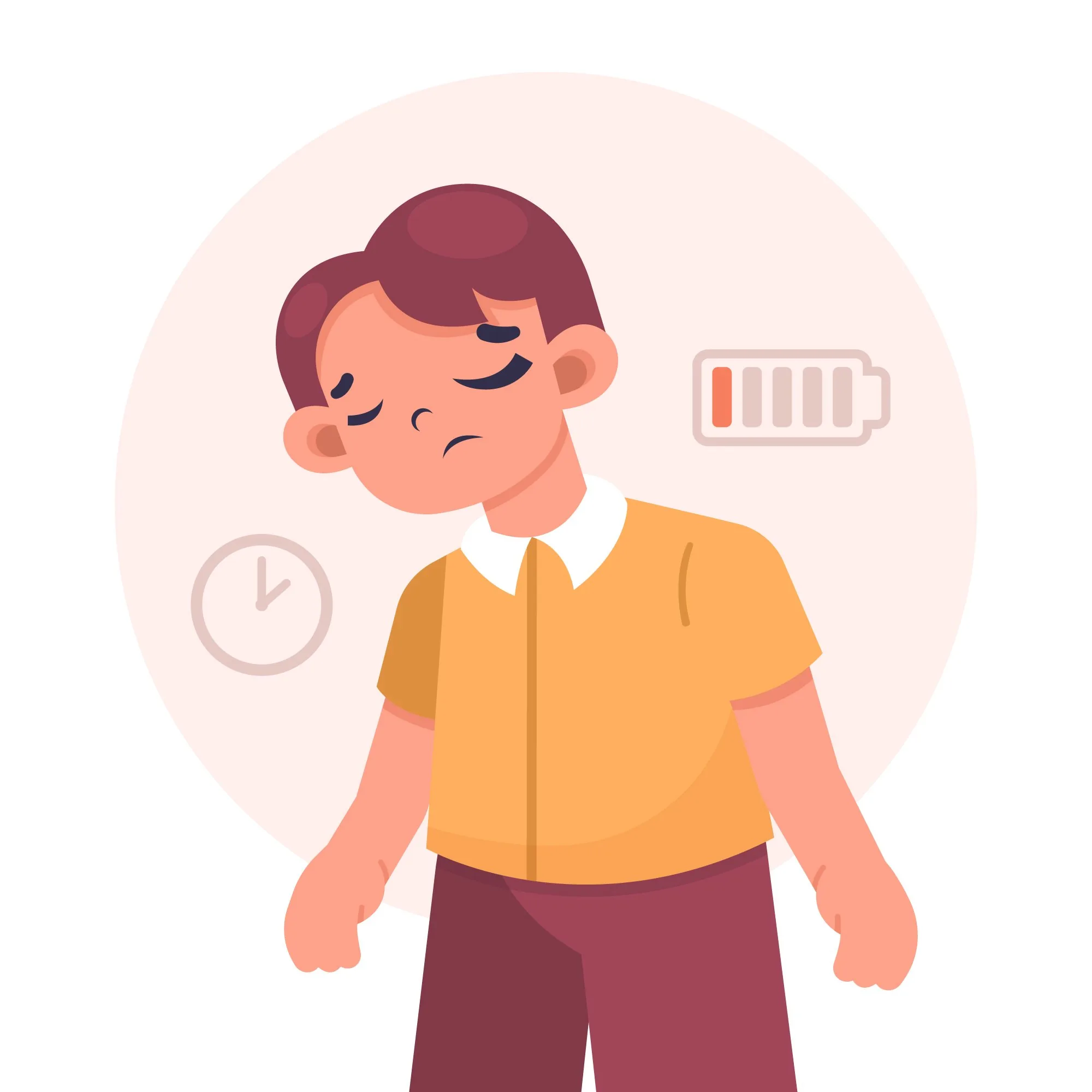
- Remind children to check in with their bodies. Many 2e children, especially our ADHDers, can hyper-focus on high-interest tasks. They may read until 3:00 in the morning or forget to eat or drink water while playing a video game. Many of these children have sensory issues that may make bathrooms uncomfortable or workspaces overwhelming. We need to help these children learn to trust themselves and their bodies, even asking children to “check in with their bodies” or taking “movement breaks” during screen time can help them build long-term habits to avoid burnout. We need to model healthy living practices ourselves – including healthy habits around exercise, nutrition, and self-care.
We hope these first three tips for avoiding burnout really resonate with you.
Next week, we’ll provide 4 more tips to complete the Path to Shine. To make sure you don’t miss Part 2, input your email below.
Let us know in the comments how you help your child avoid burnout or what you have done in your own life to avoid burnout.
About Young Scholars Academy
Young Scholars Academy is a WASC-accredited virtual learning community offering 175 live online courses and camps for gifted or 2e children ages 5–18, in classes of 6–8 students, led by neurodivergent mentors. Young Scholars Academy currently serves 1,200+ families across 47+ states and 17 countries, with a 93% semester-over-semester re-enrollment rate. ESA funding is accepted in 10+ states.
Browse Summer CampsYou don't have to figure this out alone.
Right now, a kid who thinks like your kid is in a class they chose, with a mentor who was once just like them, surrounded by friends who don't think they're weird... they think they're interesting.
Their best summer starts with one camp.
80+ live online camps for gifted or 2e kids. One week. 50 minutes a day. Small groups. Mentors who get it.
Browse Summer CampsTrusted by families like yours
1,200+ families across 47+ states. 93% re-enroll.
They found their people here. So can your child.
Browse Summer CampsRecommended for readers of Parent Support
Find a parent support class that fits your child.
Small groups of 6–8, led by mentors who get how your kid thinks.
Browse Summer Camps5 Signs Your Gifted or 2e Child Is Being Under-Served
A free, practical guide — plus early invites to expert talks, AMAs, and new course launches.
No spam. Unsubscribe anytime.
You're in! Check your inbox for the guide. ✨
You're already in the village
Here's what's open right now.
80+ live online camps for gifted or 2e kids. One week. 50 minutes a day. Small groups. Mentors who get it.
Browse Summer Camps