Kids Who Shine – Helping Children Avoid Burnout: Part 2
Steps 4–7 of the Path to Shine framework—helping twice-exceptional children process emotions, build a strength-based life, and avoid burnout.

In the last blog post, we started walking through the Path to Shine – Helping our kids avoid burnout. These steps are derived from a blog by Nick Petrie, a world leader in resilience in organizations. Every year, businesses spend millions of dollars trying to apply the best practices and newest research into employee productivity, far more than education dollars spent on children and burnout.
There is so much research out there on the things adults can do to avoid burnout in their professional lives. We are applying some of that hard-earned research to help our children thrive.
Each of the steps on the Path to Shine includes strategies to help your child build resilience and avoid burnout. This week, we’ll cover the last four steps.
Before continuing, if you missed the last blog post, click here!
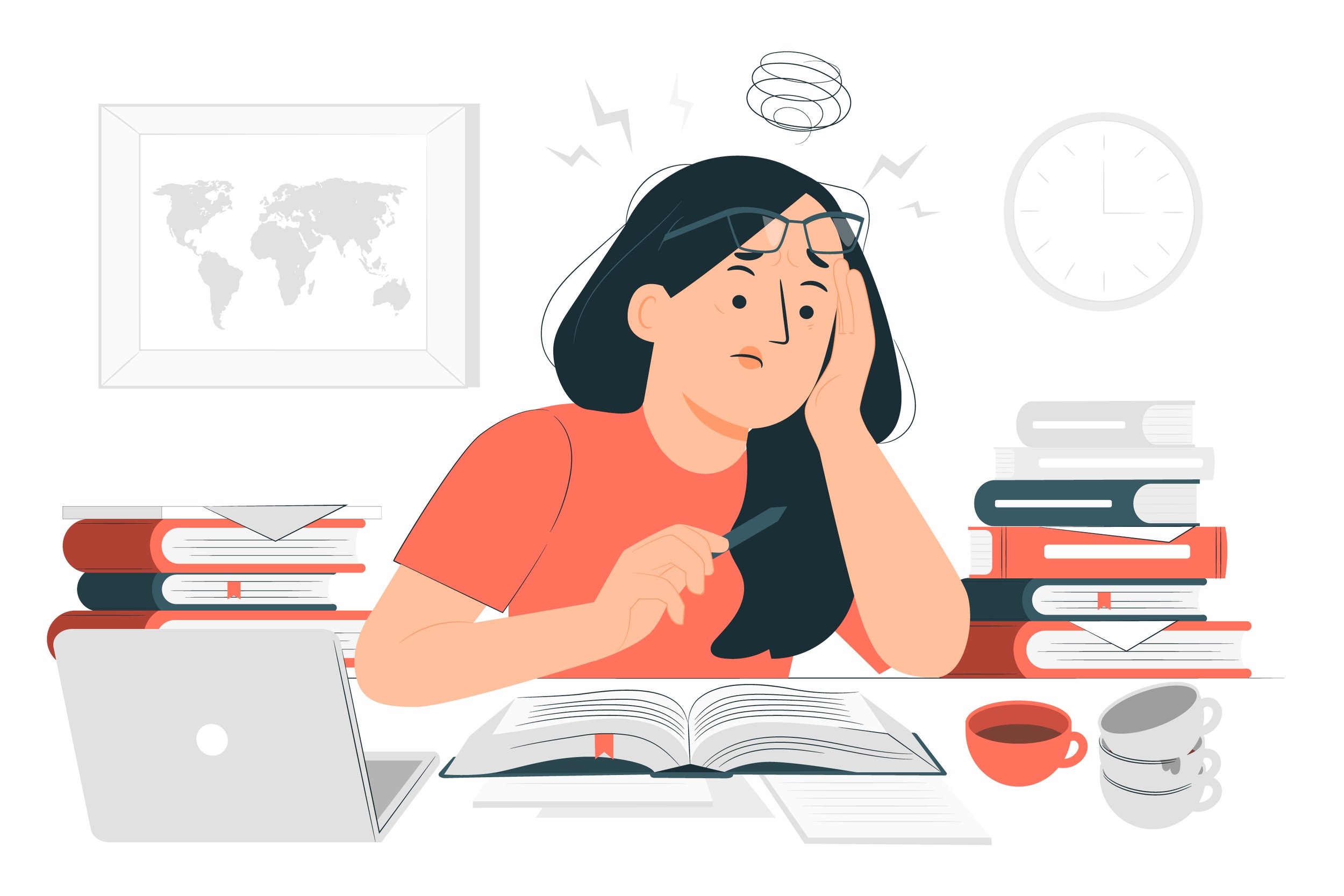
- Help children process and express feelings and emotions. Life can be so hard. We know this. Our kids know this. Many 2e kids can really struggle with depression and anxiety, often about things beyond their ability to really understand and process. Hello, existential depression! It is our job as the adults in these kids’ lives to give them safety and security as they navigate big, complicated feelings. Emotional and mental health is so important, but it often takes a back seat to the many competing needs in our lives. We need to teach our children to be present, rather than ruminating over what might happen or what has happened. For many of us, that means we need to learn and practice it first. We have some tips for regulating here.
-
Help children develop a strength-based, passion-filled life. We believe in strength-based education in almost all facets of a child’s life. We want these kids to develop purpose, mastery, and autonomy, to develop internalized value sets, and to create lives that affirm their own selfhood. This can take a lot of trust on behalf of parents and educators. We have to trust that our kids are able and capable of finding passion. We have to honor the interests that our children have (even if we may not fully understand them). By validating our children, we are helping them develop a sense of autonomy and purpose that they can take with them throughout the rest of their lives. Research shows that meaningful work is a powerful antidote to burnout.
-
Celebrate growth, development, and change. People are always changing, and those changes are even more pronounced in children. Sometimes, it’s hard for kids to see their growth, especially in areas of struggle or challenge. Help them know that who they are is not who they were, nor who they are yet to become. All of these changes and stages are amazing. Meet your child at each of these stages by giving them space to grow out of old hobbies or interests and into new ones. Let them choose who they become, and they will carry that confidence onward.
-
Let your children relax. Children need to play. They need a time and a place where they can just exist in childhood joy. They don’t need to move from activity to activity, but rather they need space to unwind without planned or structured time. Let them play and be silly. They need to be able to “turn off” the performance side of their brain. Let them try new sports and new experiences. Let them explore new hobbies and interests.
Alright, parents. You’ve got this. We know that helping your children avoid burnout may mean confronting a few uncomfortable truths about your own potential path to burnout. But it will be so worth it.
You can do this. You can help your children shine.
Let us know in the comments how you help your child avoid burnout or what you have done in your own life to avoid burnout.
About Young Scholars Academy
Young Scholars Academy is a WASC-accredited virtual learning community offering 175 live online courses and camps for gifted or 2e children ages 5–18, in classes of 6–8 students, led by neurodivergent mentors. Young Scholars Academy currently serves 1,200+ families across 47+ states and 17 countries, with a 93% semester-over-semester re-enrollment rate. ESA funding is accepted in 10+ states.
Browse Summer CampsYou don't have to figure this out alone.
Right now, a kid who thinks like your kid is in a class they chose, with a mentor who was once just like them, surrounded by friends who don't think they're weird... they think they're interesting.
Their best summer starts with one camp.
80+ live online camps for gifted or 2e kids. One week. 50 minutes a day. Small groups. Mentors who get it.
Browse Summer CampsTrusted by families like yours
1,200+ families across 47+ states. 93% re-enroll.
They found their people here. So can your child.
Browse Summer CampsRecommended for readers of Parent Support
Find a parent support class that fits your child.
Small groups of 6–8, led by mentors who get how your kid thinks.
Browse Summer Camps5 Signs Your Gifted or 2e Child Is Being Under-Served
A free, practical guide — plus early invites to expert talks, AMAs, and new course launches.
No spam. Unsubscribe anytime.
You're in! Check your inbox for the guide. ✨
You're already in the village
Here's what's open right now.
80+ live online camps for gifted or 2e kids. One week. 50 minutes a day. Small groups. Mentors who get it.
Browse Summer Camps